
Do Water Bottles Contain Microplastics? How to Reduce Your Exposure
Quick answer
Research has found microplastics and nanoplastics in bottled water, and plastic containers can shed particles as they age, scratch or are exposed to heat. One of the simplest ways to reduce your exposure is to drink filtered tap water from a glass bottle. Glass is inert and contains no plastic, so it can't shed plastic particles into your water.
What the research says
A widely reported 2024 study from Columbia University, published in PNAS, used new imaging techniques and estimated that a litre of bottled water contained around 240,000 plastic particles on average, most of them nanoplastics. Scientists are still studying the health effects, but many people are choosing to limit unnecessary exposure.
Where microplastics come from
- Single-use plastic bottles, especially when left in heat or sunlight
- Older or scratched reusable plastic bottles
- Plastic lids and straws that are repeatedly opened, chewed or washed hot
5 easy ways to reduce microplastics in your water
- Swap single-use bottles for a reusable glass bottle.
- Filter your tap water at home.
- Don't leave plastic bottles in hot cars.
- Replace worn or scratched plastic bottles.
- Choose glass for drinks with citrus, heat or electrolytes.
Why glass is the clean choice
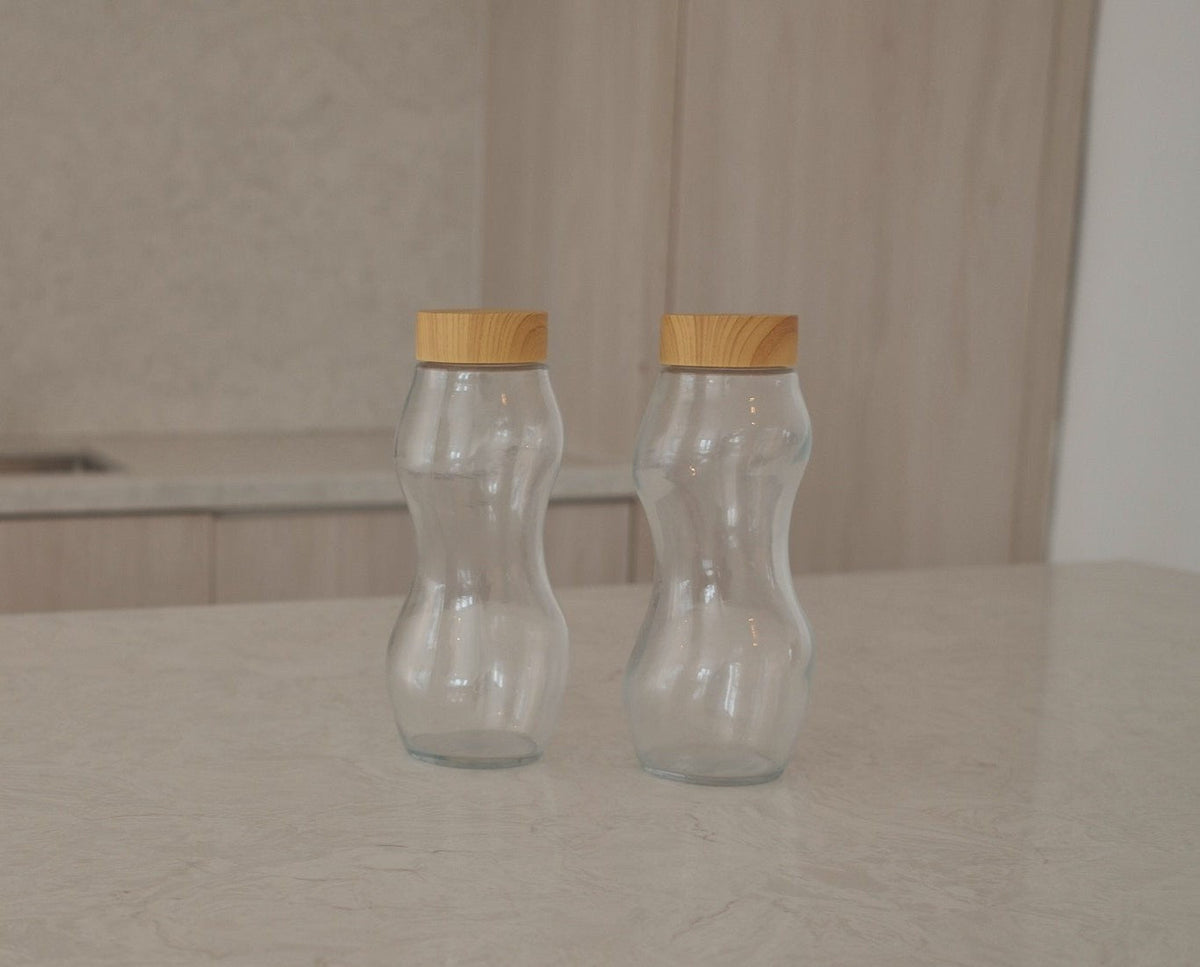
Borosilicate glass is non-porous and chemically stable. It doesn't contain plastic, so there's nothing to break down into your water. The Bohdi Bottle wraps that glass in a silicone sleeve for grip and protection, so you can carry it every day.
FAQ
Are glass water bottles microplastic-free?
The glass itself contains no plastic. Most glass bottles use a seal in the cap, but your water mostly touches glass.
Do stainless steel bottles have microplastics?
Steel doesn't contain plastic, but many steel bottles use plastic lids or linings. Check what your water actually touches.
Less plastic. More pure water.
Shop Bohdi Bottle